Living and driving along the coastal bluffs of Hope Ranch has a rhythm of its own. Morning fog, the quiet push of marine air, the salt that hangs invisible until it makes a home on glass and paint. Cars and boats here live in a harsher world than most owners realize. The same breeze that cools your driveway can deliver a fine aerosol of salt and moisture, and what seems like a light film by sunset becomes corrosion, etching, and oxidation over weeks and months. Preserving a vehicle or vessel in this environment is less about occasional washing and more about a disciplined regimen tailored to coastal conditions.
This is where smart detailing choices pay. A car detailing service in Hope Ranch needs to think like a conservator. What is the material, how does the environment attack it, and how do you intervene without causing collateral harm? That mindset applies equally to a daily driver, a weekend convertible, or a center-console boat tied off in a slip. The work is part chemistry, part craft.
The coast as a stress test
Salt does not need to look dramatic to be destructive. It attracts moisture, which means surfaces stay wet longer, and that drives oxidation on metal, mineral buildup on glass, and a slow chalking of gelcoat on boats. Add UV, which is intense here even on days that feel mild, and you get a steady breakdown of clear coat, plastics, rubber seals, and leather finishes. Pollen rides the same breeze, so even inland routes through Carpinteria, Goleta, and Montecito carry fine organic dust that bonds with humidity and becomes stubborn.
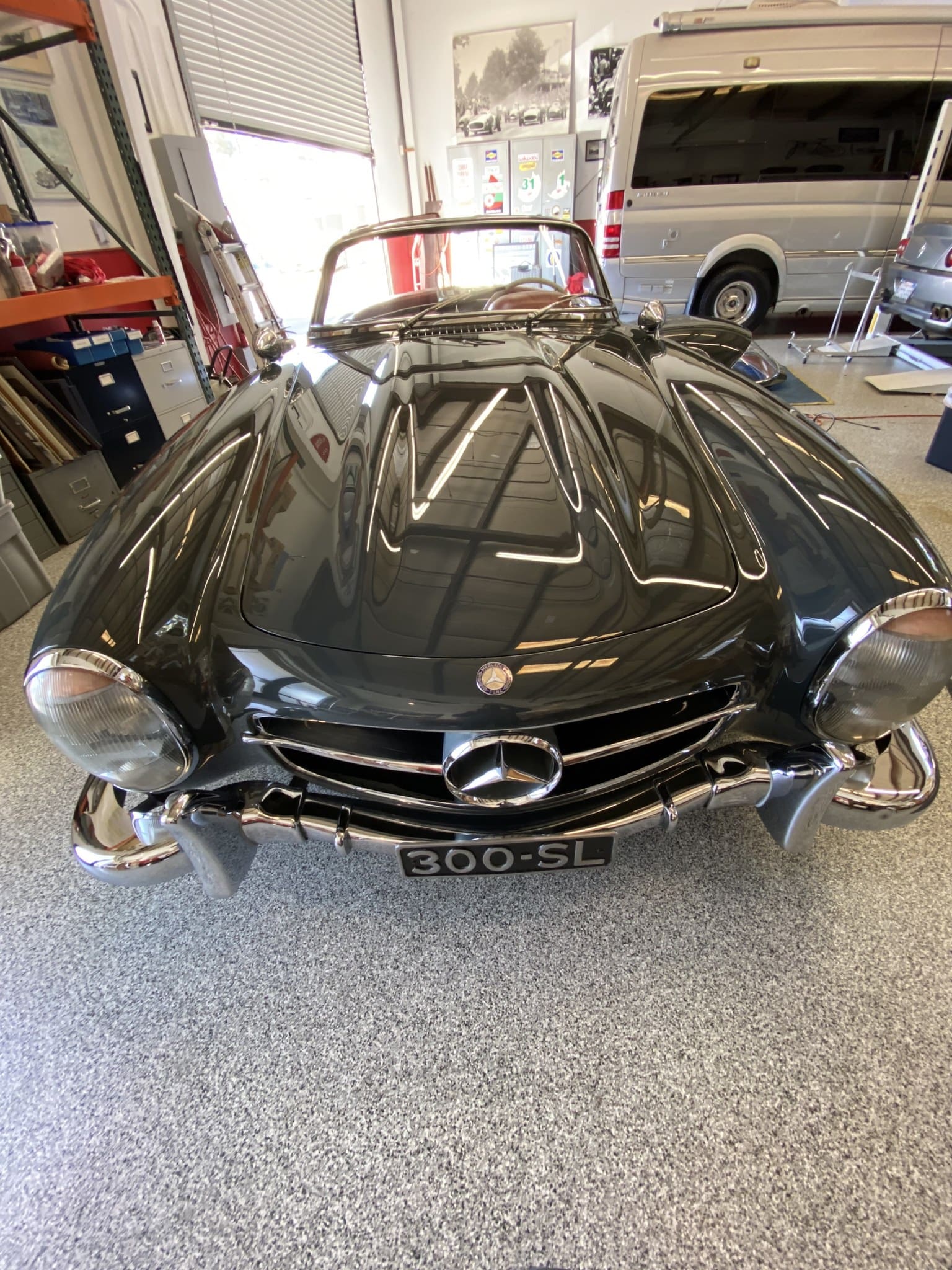
The result is familiar: etching in the windshield wiper arcs, stubborn water spots that never seem to lift, micro-marring in the clear coat that shows up in full sun, a steering wheel that dries out faster than it should, and brake rotors with an orange blush after a foggy night. On boats, the first signs are oxidation haze, black streaks from fittings, and teak that fades unevenly. Marine detailing requires a different toolset than a typical exterior detailing service, because marine-grade contaminants and coatings behave differently.
A practical maintenance cadence for Hope Ranch
A good rule here is little and often. Rinse more frequently, use pH-balanced soaps that do not strip protection, and schedule deeper services strategically. Think of it like maintenance for a vineyard: prune at the right time, not every day, and do the small tasks before they turn into big ones. For daily-driven cars, a gentle contact wash every one to two weeks, a decontamination step once per quarter, and a thorough inspection of protection layers twice per year is a sensible baseline. Boats need freshwater rinses after every outing, spot treatment for metal and vinyl weekly, and quarterly machine work on gelcoat if oxidation creeps in.
Owners in Car detailing Montecito and Car detailing Summerland neighborhoods often tell the same story: the car never looks truly clean for more than a day. The fix is not more aggressive wash techniques, it is better protection on the front end. Hydrophobic layers don’t keep dust away, but they prevent bonding and make that next rinse count.
What separates a coastal-grade wash from a regular wash
A contact wash sounds simple, yet the details matter more near the water. Start with a thorough rinse to push salt and grit off the surface before any mitt touches paint. Pre-foaming helps, but product choice is critical. Oversudsing shampoos can leave residue that collects salt again. A lubricant-rich, pH-neutral shampoo gives glide without stripping wax or ceramic layers. Two-bucket technique still applies, but upgrade the media: high-pile mitts for the upper panels and a dedicated mitt or sponge for lower rockers and wheels to keep grit from circulating.
Drying is not an afterthought. Coastal water, especially from reclaimed sources used in some neighborhoods, leaves mineral content behind. A strong leaf blower or dedicated car dryer pushes water out of seams and mirror caps where spotting starts. Follow with a soft drying towel and a fine mist of drying aid to reduce friction and top up slickness. Small choices like this are the difference between a swirl-free finish and the slow haze that shows up under streetlights.
The case for decontamination in salty air
Even with careful washing, ferrous particles, salts, and organic film build up. Decontamination has two prongs. Chemical decon uses iron removers and targeted solvents to break down bonded contaminants without abrasion. Physical decon uses clay or synthetic media to lift what the chemicals loosen. The risk, especially on softer paints common on many European cars around Hope Ranch and Montecito, is marring from aggressive claying. Experienced techs split panels, test lubricants, and adjust pressure based on the paint system. The goal is a clean substrate that is ready for protection, not a perfectly slick surface at the expense of clear coat.
I have seen owners in Car detailing Goleta who clayed their cars monthly because the surface always felt rough. The roughness was mineral and salt redepositing, not industrial fallout. They were abrading their clear coat unnecessarily. Once we dialed in a quarterly chemical decon and improved their wash and drying routine, the paint stayed slick without the extra abrasion.
Paint correction with restraint
Paint correction is addictive when you watch swirls vanish under the machine, but on coastal daily drivers restraint wins. There is a finite clear coat thickness to work with, typically 30 to 50 microns above the color base on many modern cars. Removing 3 to 5 microns for heavy correction might be acceptable once, but making that a habit is a fast track to clear coat failure. On a Hope Ranch commuter, subtle one-step correction with a diminishing abrasive and a dual-action polisher often strikes the right balance, lifting 70 to 80 percent of defects while preserving film build.
Show cars or vehicles with severe wash damage need multi-step correction. That is where measurement matters. Tools like electronic paint thickness gauges and even handheld gloss meters keep the work honest. An experienced car detailing service knows when to chase the final five percent and when to stop. In my logbook, the regret stories are rarely about leaving a faint scratch. They are about burning an edge or thinning a hood that later fails under UV.
Protection that works at the shoreline
Protection is not decoration, it is a sacrificial barrier. Waxes give warmth but wash away after a few weeks in marine air. Sealants offer better longevity, often two to four months in these conditions. Ceramics change the game because they bond to the surface and maintain hydrophobics, UV resistance, and chemical resistance for a year or more. On boats, the case is even stronger. Gelcoat is porous, it oxidizes quickly, and traditional wax struggles to hold up against constant UV and salt.
Boat ceramic coating applications demand obsessive prep: compounding to remove oxidation, polishing to clarify, solvent wipe-downs to strip oils, and controlled application windows to manage flash. On-water work adds wind and dew as variables. Done correctly, a ceramic on gelcoat reduces chalking, makes rinse-downs faster, and keeps black streaks from biting in. Owners of center consoles between Hope Ranch and Summerland who fish early and rinse late tend to see the biggest gains, since their use patterns would otherwise punish finishes.
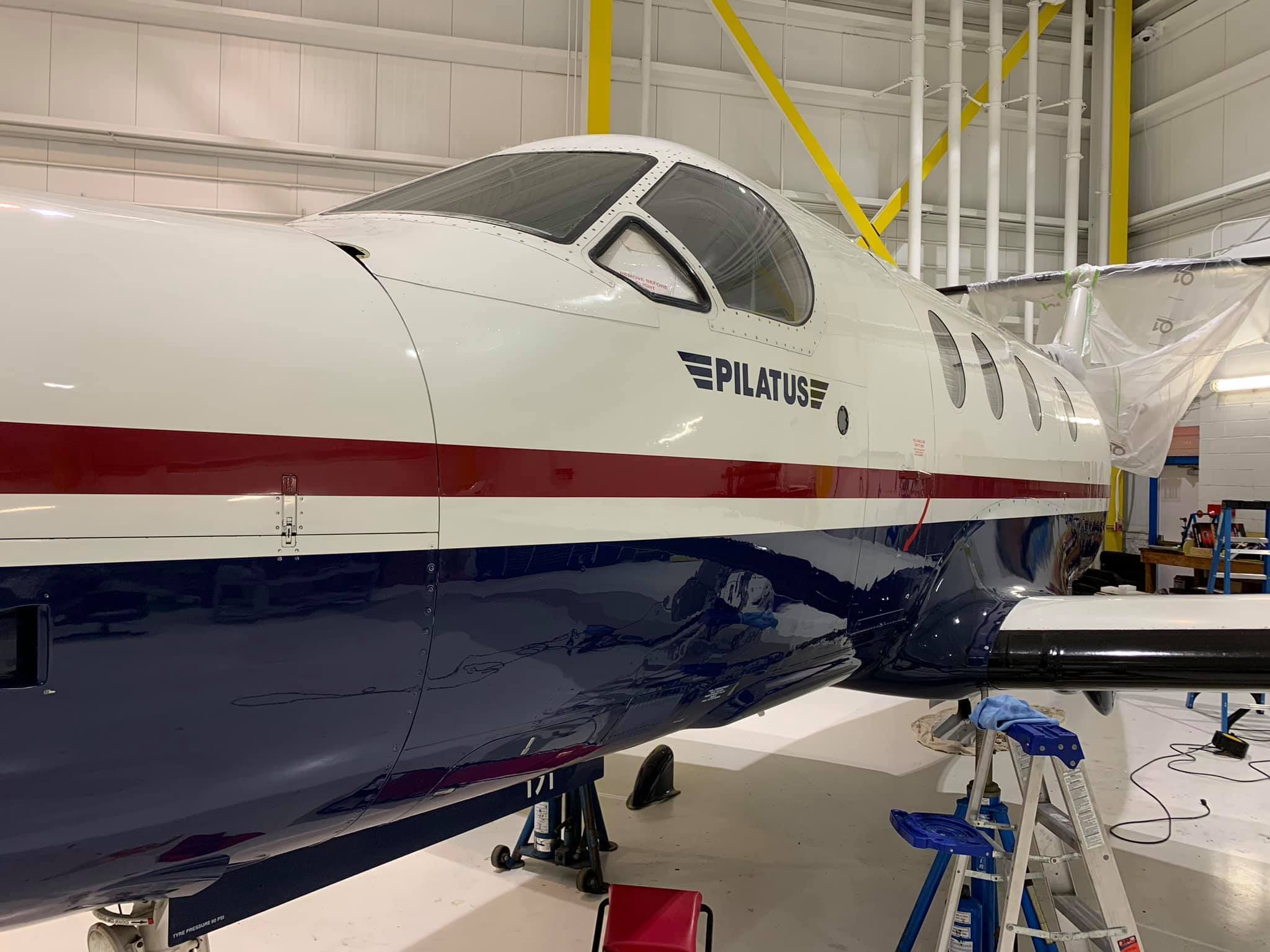
On cars, I steer many Hope Ranch owners toward two-layer ceramic systems with a dedicated topcoat tuned for slickness. The base layer bonds and adds chemical resistance, the top layer gives that “cleaner longer” feel. If the car lives outside, sacrificial toppers every 6 to 8 weeks keep the system lively. None of this replaces washing, it just shifts the balance so contaminants release with a gentle rinse.
Interior detailing when salt is in the air
Interiors suffer quietly. Salt air sneaks in with damp towels and wetsuits, and it accelerates corrosion on seat frames and electronics. Leather dries faster and collects a film that looks like haze in slant light. Cloth seats develop salt rings if spills are not fully extracted. Interior detailing near the coast means more attention to moisture control. I keep desiccant packs in some clients’ cars during the foggy months and swap them quarterly. Cabin filters clog quickly here, bringing a musty odor that no scent can hide.
True interior detailing starts with methodical vacuuming, then dry brushing to lift sand from seams, followed by targeted steam where safe. Leather needs pH-correct cleaners and conditioners that restore finish without slickness. Alcantara and suedes require minimal moisture and patience. Vinyl and rubber benefit from matte UV protection, not shiny dressings that attract dust. I have seen brand-new rubber door seals deform under sun after heavy silicone products were used. Keep it simple, focus on UV screening and light nourishment.
Marine detailing realities on the slip
Marine detailing is its own discipline. A boat that sees sun and salt six days a week needs more than a spring polish. Fender rub marks, bird droppings, diesel soot, and teak bleed each leave different stains. Acid washing can erase waterline scum, but used indiscriminately it will dull metals and create uneven patches in gelcoat. The approach I favor is layered. Start with a neutral shampoo and heavy rinse, treat metals with dedicated cleaners, spot treat organics, and save acid for true mineral scale at the waterline, masking hardware as needed.
Once clean, compounding and polishing on gelcoat require wool and foam pads chosen for the substrate. Gelcoat is harder than automotive clear coat, so you can cut more aggressively, but heat management is crucial to avoid swelling and false clarity. After polishing, protection options include sealants and ceramics. On busy boats, a hybrid approach works: a ceramic on topsides and cap rails where UV is relentless, and a durable sealant on the hull sides below the rub rail where contact and fender marks occur. Rinse discipline becomes the daily difference-maker, and the whole crew needs to understand it.
Exterior detailing decisions that guard against fog and sun
Exterior detailing is not a single service, it is a sequence that responds to the car’s state. On a coastal SUV with roof rails and textured plastics, masking before machine work prevents stains from residue that are hard to remove. Headlights deserve special attention, because UV hazing is sped up by salt and fog. Correction and UV-stable coatings can add years before the lenses need replacement. Glass needs decontamination and a semi-permanent hydrophobic layer, especially on windshields. In foggy morning traffic on Cliff Drive, proper glass protection means wipers can rest more often, preserving blades and reducing https://jsbin.com/wuhosotoka micro-scratching arcs.
Wheels and brakes react poorly to salt. A wheel coating helps release iron and salt buildup, but the wash cadence matters more. Warm rotors after a downhill drive flash-rust quickly when parked near the beach. A quick spin around the block after a wash or rinse dries the system. Small habits like this add up to fewer pitted faces and rusty lug seats.
Hugo's Auto Detailing and coastal protocols
Hugo's Auto Detailing has built its Hope Ranch workflow around these realities, not around a generic menu. The team splits vehicles by exposure context: garage-kept with weekly use, partially garaged near the bluffs, and fully outdoor daily drivers. That framing changes product choice and interval planning more than make or model does. On a garaged coupe that only sees weekend miles, they will dial in single-step correction and a boutique ceramic, then set a light maintenance plan. On an outdoor pickup that hauls boards and gear, they choose a tougher, slightly less glossy coating and set a biweekly rinse and monthly topper.
One client story stays with me. A dark blue wagon that lived on a hill overlooking the water looked tired at three years old: etched glass, faint trails in the clear, roof rails with white chalk around the mounts. Instead of chasing perfection in one marathon correction, Hugo's Auto Detailing staged the work over two visits, measured clear coat at each panel, and accepted a few deeper RIDS in exchange for long-term thickness. They layered protection on glass and paint, then taught the owner a quick rinse and drying routine that takes ten minutes. A year later, the wagon still reads deep blue under the sun, and the owner says the maintenance feels easy.
Detailing by neighborhood: microclimates matter
Drivers coming from Car detailing Carpinteria or Car detailing Summerland deal with the same salt, but the wind patterns differ. Carpinteria gets more consistent afternoon breeze, which means dust and grit find their way into every crevice. Summerland sees fog that lingers. Goleta, farther from the bluffs in many pockets, has less salt but more agricultural dust on certain days, which can be more abrasive. The detailing playbook adapts. In Summerland, I push glass coatings and rubber seal protection. In Carpinteria, I emphasize underbody rinses and wheel arch cleaning to keep grit from acting like sandpaper at speed. In Goleta, pollen management and interior HEPA-level vacuuming becomes a bigger part of the routine.
These are small adjustments, but owners who tailor to their microclimate spend less and keep finishes longer. I have seen two identical cars, same year and color, age very differently based on where they sleep and how they are maintained.
When to schedule heavier services
Timing helps. Paint correction and boat polishing do best when humidity is moderate and temperatures stable. In Santa Barbara’s coastal band, late fall and late spring often provide the most predictable windows. High heat shortens polish working time and accelerates ceramic flashes, which means rushed leveling and a higher chance of high spots. Cold and damp create their own problems, slowing curing. If you are planning a boat ceramic coating or a full exterior detailing package with correction, aim for those shoulder seasons or use an indoor bay that controls climate.
For maintenance, tie your schedule to behavior. If the car lives outside in Hope Ranch, a quarterly inspection makes sense. Look at hydrophobics, feel for roughness on the hood and roof, check the headlights and trims. If you see water lingering on horizontal surfaces rather than beading and running off, it is time to refresh protection. On boats, oxidation does not negotiate. When you see the first flatness in reflected light, do not wait a season. The compound needed to reverse it will be milder if you intervene early, and you will preserve gelcoat thickness.
Common mistakes and how to avoid them
Most costly issues I see come from good intentions paired with the wrong approach. People use harsh household cleaners on interiors to kill mildew and end up stripping dye or drying leather. They chase water spots with aggressive glass polish on every wash and etch their own glass over time. They use pressure washers with rotary tips too close to rubber seams and force water into door electronics. The fix is not complicated, it is discipline. Use the right pH, the right pressure, and the right tool for each substrate. If a spot resists, stop and diagnose before escalating.
Another frequent misstep is mixing product lines blindly. Layering a solvent-heavy sealant over a soft ceramic topcoat can mute hydrophobics and create patchy behavior. On boats, applying a generic wax over areas still holding salt drives contamination into pores. Rinse, then test a small section with a clean microfiber. If the towel drags, decontaminate before protecting.
Hugo's Auto Detailing in the details
The shop culture at Hugo's Auto Detailing values process notes. After every significant service, they log what was used, pad and machine combos, ambient conditions, and panel readings. Those notes become invaluable six months later when a client returns. They know whether the hood needed more cut last time or if the rear hatch responds better to a specific pad. On marine projects, they photograph oxidation levels and hardware conditions before and after so owners can see progression and plan upgrades like new rub rails or re-bedding deck fittings that cause black streaks.
That attention shows up in small touches. Wheel coatings are not just for faces, but for barrels where baked-on dust forms. Door jambs are washed and protected because salt migrates there. For interior detailing they prioritize touchpoints, cleaning seat belt fabric near the buckles where skin oils and salt accumulate. These are not glamorous steps, but they slow the clock.
Selecting the right scope in Hope Ranch
Not every car or boat needs the top shelf. The right scope flows from use and exposure. Daily driver parked outside near the bluffs, light correction and a durable ceramic with periodic toppers makes sense. Garaged classic, gentler correction, a show-finish topper, and white-glove wash routines are better. Work truck that sees sand and salt, coatings with high chemical resistance on wheels and plastics help more than chasing ultra-high gloss. Family boats that live in the water, a robust boat detailing service with regular rinse-downs and a ceramic on high UV areas will pay dividends.
Here is a short planning checklist that aligns with the coast:
- Identify exposure: garage, carport, or full outdoor. Map your routes: coastal commute or inland errands. Prioritize substrates: paint, glass, wheels, trims, or gelcoat. Set cadence: weekly rinses, monthly maintenance, quarterly decon. Define protection: sealant or ceramic for cars, ceramic focus for boats.
Car detailing Hope Ranch, beyond the driveway
A thorough car detailing Hope Ranch plan looks beyond paint and interiors. Undercarriage rinse points matter, especially after beach parking where sand and salt collect in pockets. Door drain holes clog with debris and hold moisture against metal, leading to corrosion from the inside out. Convertible tops here need more frequent care because salt stiffens fabric and dries thread. A fabric protectant designed for marine environments keeps water beading and reduces mold risk. Sunroof drains benefit from periodic air and water checks, preventing backups that leave water under carpets and a silent mildew bloom.
For EVs, keep an eye on wheel wells and underbody aero shields. They collect sand and hold it, and over time the vibration and grit can wear through clips. The battery cooling systems also need clean airflow. A gentle rinse underbody a few times each season helps more than any polish.
When the boat ties the picture together
Many Hope Ranch households move between car and boat on the same day. A boat detailing service that coordinates with your vehicle’s schedule simplifies life. One practice that works well is aligning ceramic top-up intervals. If your SUV and your center console both got coated in spring, plan a late-summer refresh at once. The products do not need to match, but the visit does, and the same crew can cross-check both for early signs of wear. If you store the boat on a trailer, wheel and brake hygiene matters there too. Trailer winches and couplers corrode quickly without attention. A quick wipe with corrosion inhibitors after launch days keeps them alive.
Boat ceramic coating on areas you touch often, like helm surfaces and coamings, needs careful testing to avoid creating a slick safety risk. Good installers will choose grippier systems for these zones or leave them protected with a matte sealant rather than a glossy ceramic. On decks, nonskid surfaces need specific products that protect without filling texture.
Results you can measure
Owners sometimes ask how to tell if all this work makes a difference. Look for the signs that maintenance is carrying the load. After a rinse, does water sheet off in a uniform pattern or does it pool and leave a film? In full sun, does the paint show a clean, sharp reflection or a halo haze? Run your fingertips over the hood after washing and drying. If it feels tacky or rough within a month, contamination is bonding too quickly. Hydrophobics on glass should last at least six to eight weeks in coastal conditions when properly applied, longer on side glass than windshields. On boats, you will see less chalk on dark gelcoat and less effort required for rinse-downs if protection is dialed.
There is also a financial side. Good detailing does not just make things look better, it delays replacements. Headlight restorations that hold for two to three years push a four-figure parts bill well into the future. Steering wheel leather that stays conditioned avoids rewrap costs. Gelcoat that resists chalk keeps resale strong.
Bringing it together for Hope Ranch
Preserving vehicles and boats by the sea is equal parts habit and expertise. The environment is relentless, but predictable once you understand its moves. Start with smart washing and drying, decontaminate thoughtfully, correct with restraint, and choose protection that fits both climate and lifestyle. For those who want a partner in the process, shops that live and work in this microclimate bring invaluable pattern recognition.
Hugo's Auto Detailing is one of those teams grounded in local conditions. Their protocols draw on the simple truth that the ocean never takes a day off, and neither should your maintenance. Whether you are navigating marine detailing challenges on a beloved skiff or dialing in paint correction on a daily driver that sleeps under the fog, the right approach keeps your investment looking fresh long after the novelty has worn off. And that makes every early morning drive down Las Palmas feel a little better, even when the fog is thick and the gulls are already circling.