The coastline around Hope Ranch has its own rulebook. Morning fog rolls in with salt that clings like sugar on a pastry. The sun bites harder than it looks. A short drive along Cliff Drive, and the wind can pepper the finish of a vehicle with airborne sand. It is a beautiful place to drive and a tough place to keep paint healthy. Oceanfront areas like Hope Ranch, Montecito, Summerland, and Carpinteria compress every environmental stressor into a small radius. Vehicles age faster here if left unprotected, and boats fare even worse.
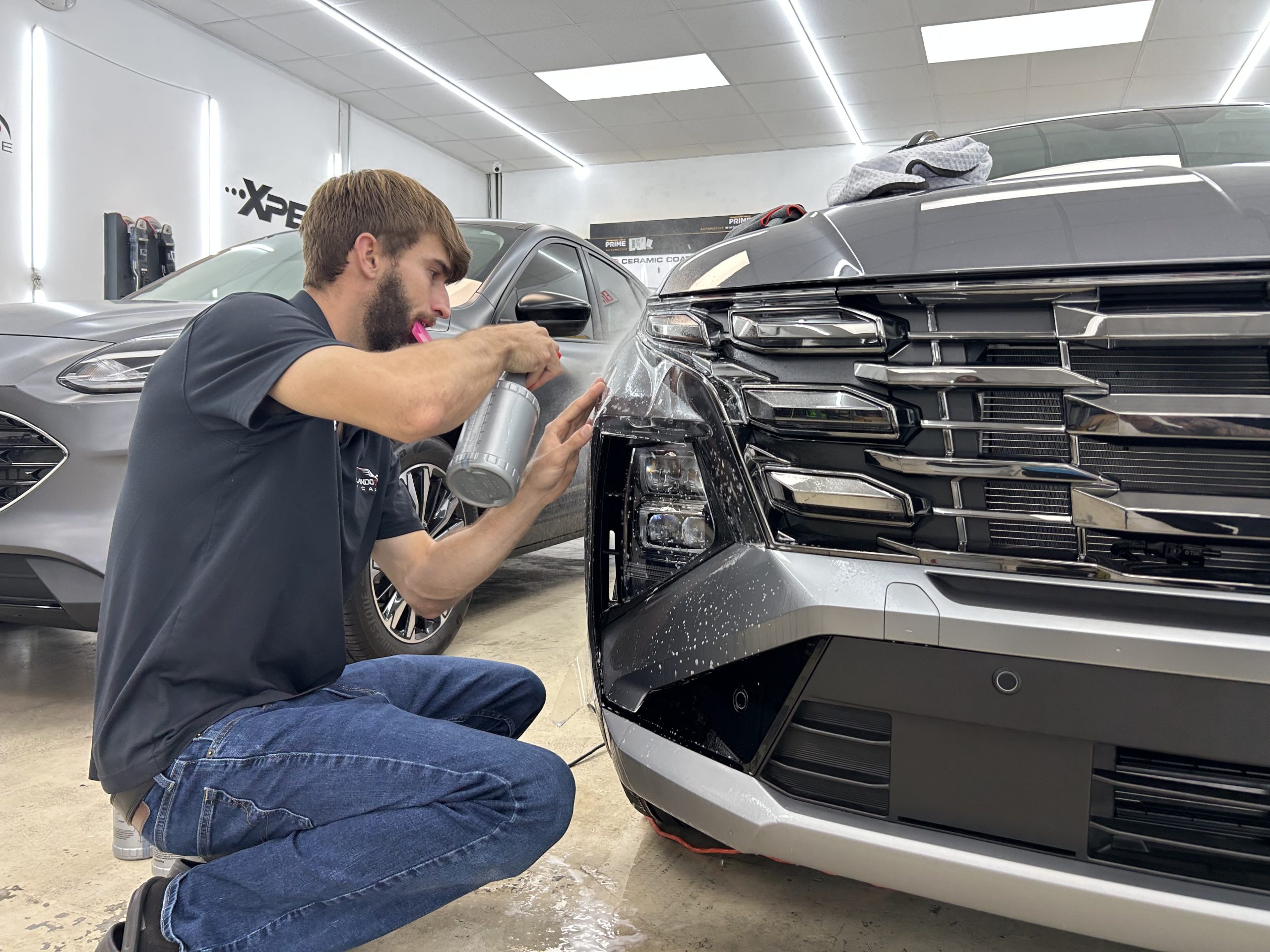
I have watched cars with two-year-old paint look tired in six months. The culprit is rarely a single factor. It is a slow cocktail of salt, UV radiation, mineral-rich water, and the tiny scratches that accumulate from improper washing. Protecting a vehicle along this stretch means treating the paint system, the glass, and even the trim as an integrated surface, and doing so with the marine environment in mind.
Why ocean air changes the detailing playbook
If you park a car near the bluffs in Hope Ranch, the paint will collect a film of salt overnight. That film seems harmless, but it creates a microclimate on the surface. Salt attracts moisture from the air, so even when the panel looks dry, there is a thin layer of dampness feeding corrosion on metal components and accelerating oxidation in clear coat. Add UV exposure, and you have a chemistry experiment happening every day.
I have measured surface temperatures on dark hoods at Arroyo Burro Beach parking around midday. Even in mild weather, a black hood can hit 150 to 170 degrees Fahrenheit. At those temperatures, any contamination left on the surface bakes in. Hard water spots, tree sap from coastal pines, sunscreen residue from hands touching the door handles, even fish protein from a day on the harbor, all become harder to remove without marring. The combination of heat and contamination is why a car that looks clean will still lose its gloss prematurely in an oceanfront area.
The essential difference between washing inland and washing near the ocean
A routine wash in Goleta or inland Santa Barbara can be forgiving. Near the coast, the technique and chemistry matter more. Rinsing with hard water and letting it dry will leave mineral deposits that etch. Using a high-pH cleaner on a warm panel will stain. Towels that were fine inland can trap salt and drag it across the paint.
The safe baseline is to treat every ocean-adjacent wash as decontamination rather than cosmetics. That means working cool panels only, pre-rinsing thoroughly to remove salt, and using a lubricated contact wash with a mitt that releases grit easily. It also means drying with forced air where possible to avoid dragging dust and salt across the surface. If you have to towel dry, use a clean, high-pile towel and flip it often.
When we perform exterior detailing in Hope Ranch, we adjust timing to avoid peak sun and wind. Late afternoon washes are less risky than midday, and early morning can be fine if you wipe salt film before foam touches the paint. Small choices like that add up when you do them weekly.
What paint correction really means on the coast
Paint correction is an often-misunderstood phrase. It is not a magic wand. It is a controlled abrasion to level the clear coat and remove defects like swirls, scratches, and etching. On cars living near the water, correction tends to be lighter and more targeted. You can cut a lot of clear coat off in a single aggressive session, but you cannot put it back. When a vehicle will continue to face salt, UV, and windborne grit, preservation beats perfection.
A typical approach for Car detailing Hope Ranch might involve a one or two-step correction. We start with a measuring session. Even production cars from the same year can vary by tens of microns panel to panel. On a 100 to 140 micron clear coat, removing 3 to 5 microns in a refinement pass can move the gloss needle without eating future service life. Heavy compounds do have their place for isolated defects, but the better long-term play is a balanced correction, then sealing that finish with a true sacrificial layer.
I have seen owners come in from Car detailing Montecito with perfect showroom finishes that did not last because the final step was a consumer wax. That is not a knock on wax; it has its use. It simply evaporates too quickly in a marine environment. The first good UV day lifts it off.
Coatings that actually stand up to salt
Ceramic coatings changed the way we protect paint near the coast. They create a harder, more chemical-resistant layer that sacrifices itself before the clear coat. That said, not all ceramics are the same, and not all installations are equal. The surface has to be perfectly prepared or the coating will fail prematurely. Also, a coating is not armor plating. It reduces the rate of marring and chemical etching, but it does not make the paint scratch-proof.
On boats, this difference is even more pronounced. A boat ceramic coating must handle constant salt immersion and heavy UV. Marine formulations have stronger resin structures and higher solids, but they require precise leveling to avoid high spots. On a hull with orange peel, improper leveling traps salt in micro-valleys. Good marine detailing builds up the surface in stages: decontamination, oxidation removal, refinement, then coating. When dialed in, you get cleaner water runoff, easier washdowns, and less chalking.
Vehicle coatings in ocean zones benefit from a similar mindset. Aim for realistic protection intervals. On a daily-driven car parked outside in Hope Ranch, expect 18 to 36 months from a professional ceramic with proper maintenance. On a garaged car driven on weekends, 3 to 5 years is reasonable. The number varies with wash technique and parking habits more than with brand labels on the bottle.
The quiet killer: wash-induced marring
Most swirl marks do not come from the environment. They come from the wash process. The salt comes first, but the towel drags it across the paint. Learning to break that chain is the single biggest upgrade a coastal owner can make.
I like a foam pre-soak that dwells for a few minutes, followed by a low-pressure rinse, then a lubricated hand wash with a fresh mitt. Dedicated wheel and tire tools live in their own bucket. Drying starts with a blower to chase water from seams, then a towel with a detail spray as a drying aid. The spray is not about shine. It adds slip so the towel glides. If you can feel grit under the towel, stop and rinse again. It is slow at first, then it becomes a rhythm you can finish in 25 to 40 minutes.
How Hugo's Auto Detailing structures coastal protection
Hugo's Auto Detailing has worked up and down the coast long enough to see patterns. We tune services to the exact neighborhood because the microclimate shifts even across a few miles. A car parked at the top of Estrella Drive that catches the morning marine layer needs different intervals than a vehicle garaged inland during the week and brought to the beach on weekends. The shop approach prioritizes inspection and data before the machine polish ever spins. Paint depth measurements, water behavior tests on the current surface, and a quick look under trim edges for salt crust tell you more than any product brochure.
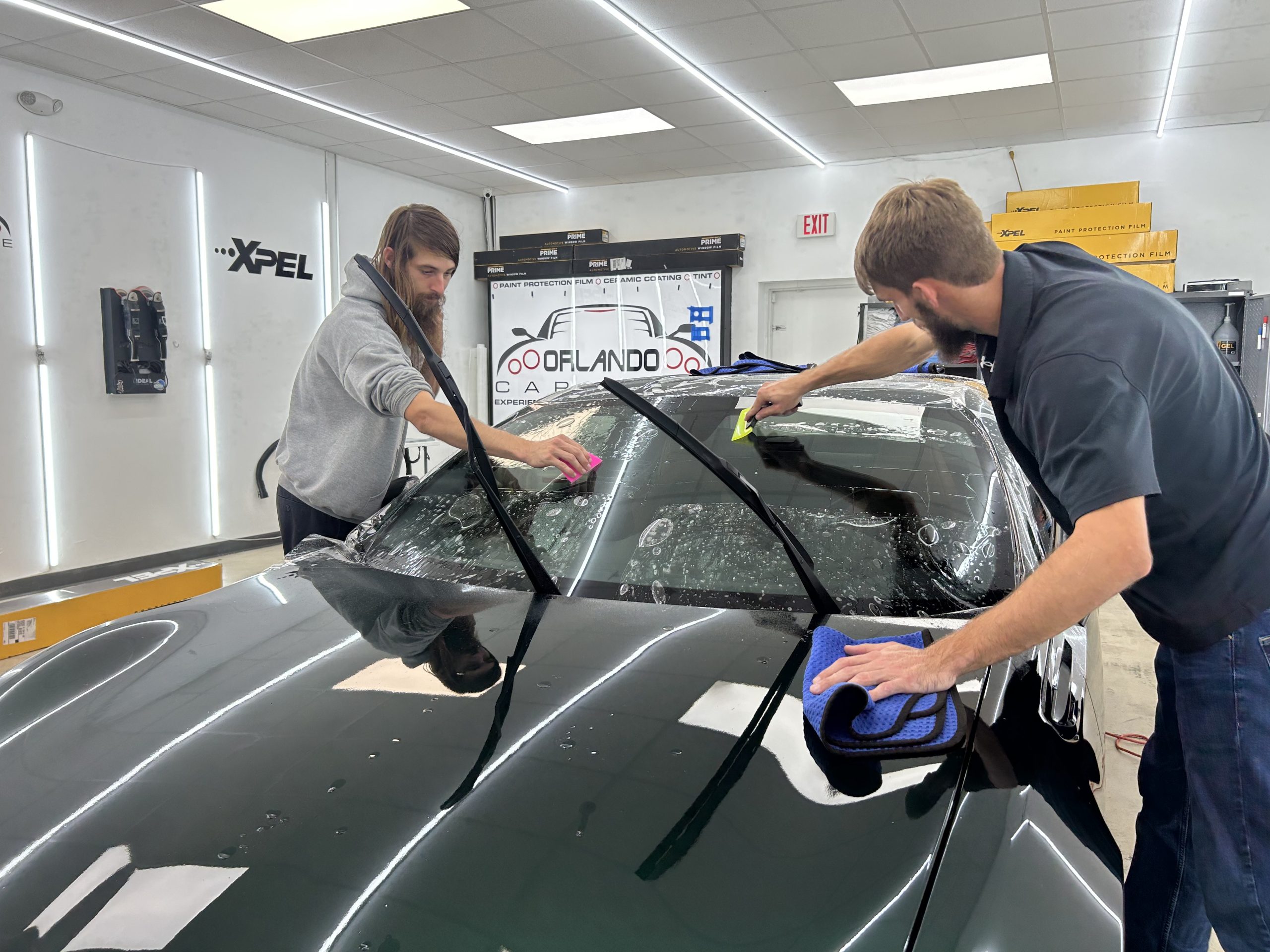
When they handle exterior detailing for a new client in Car detailing Hope Ranch, the initial session is deliberately front-loaded. Decon includes a dedicated salt neutralizer, iron fallout remover, and a clay alternative pad to reduce marring risk. Only then does polishing begin. The refinement is test-spotted on a small, inconspicuous area to balance cut and finish. After correction, a coating is applied in thin, measured sections to avoid high spots that can catch salt and fog film. The final step is often a glass coating and trim sealant, because coastal haze loves to cling to unprotected glass and rubber.
A quick detour to interiors: salt, sand, and sunscreen
Interior detailing gets short shrift in coastal conversations, but it takes a beating too. Salt and sand migrate inward. Sunscreen is the secret villain, especially zinc and titanium formulas that smear across leather and plastics. If you have ever seen a steering wheel go shiny and slick, sunscreen and skin oils did that.
For coastal interiors, frequent light cleanings beat infrequent deep ones. Use pH-balanced interior cleaners and avoid dressing that leaves residue, which becomes a magnet for sand. On perforated leather seats, press a clean microfiber towel under your palm rather than scrubbing, so you do not push grit into the holes. A breathable leather sealant helps prevent dye transfer and makes sunscreen cleanup easier. On carpets and mats, a brush with medium bristles loosens sand better than vacuuming alone. Then extract, but keep moisture low to avoid salty odor wicking back up.
Boats are different animals: Marine detailing that respects the water
A boat lives in the harshest version of the same problem. Gelcoat oxidizes faster than automotive clear. Salt spray intrudes into hardware crevices. UV beats down on open decks without the softening angles of a car’s sheet metal. Marine detailing demands a gentler oxidation removal on gelcoat, because aggressive cuts can leave pigtails that telegraph under the sun. After correction, a boat ceramic coating can buy you longer intervals between compounding. That means more time operating, less time under tarps with a rotary polisher.
When we prep boats out of Santa Barbara Harbor, the workflow accounts for tidal schedules and wind. You want the hull panels cool, so shadow timing matters. A well-leveled marine coating changes the way salt sticks. Instead of crusting and requiring a scrub, it sheets off with a rinse and a chamois or blower. That reduces the micro-scratching that ages gelcoat. The cost is time upfront in prep. The payoff is fewer aggressive polishing sessions over the life of the vessel.
A week in the life: How vehicles age in Hope Ranch
An owner commutes from Hope Ranch to downtown Santa Barbara and back, parks outside near the bluffs overnight, and hits Hendry’s Beach on weekends. The car is a dark blue SUV, three years old. It sees fog every morning, lifting by 10 a.m., then sun, then wind in the afternoon. Without protection, here is what shows up:
First month: salt film on the lower door sections and rear hatch, water spots from morning sprinklers, lightly rough paint from fallout near the coastal oaks.
Month three: faint swirls appear in the sun, especially on the hood and the roof edges. The rear bumper cap gathers a road film ring that feels sticky to the touch. Trim starts to grey.
Month six: etching marks from a few stubborn water spots, more visible in low-angle light. The roof rack rails fade faster than expected.
With protection and a good wash routine, the same vehicle looks almost unchanged at month six. The difference is not the wash frequency alone. It is the fact that contamination does not have time to bake in. The protected surface sheds salt before it bonds. The wash process does not grind grit against paint.
Service geography matters: Carpinteria, Montecito, Goleta, Summerland
The coastal strip is not uniform. Car detailing Carpinteria often involves more agricultural dust in the mix, because fields kick up fine particulates that stick to damp salt film. Montecito features more canopy cover, so pollen and sap join the party. Car detailing Montecito interiors see more leaf litter and fine sand tracked from Ennisbrook and Butterfly Beach. Car detailing Goleta has wider temperature swings and more industrial dust around certain corridors. Car detailing Summerland carries that classic bluffside wind that dries rinsing water before you can towel it.
These micro-conditions shape the product choices. A sealant with strong anti-water-spot properties makes sense for Montecito, while a coating with better chemical resistance against fertilizer residues can earn its keep in Carpinteria. In Goleta, where inland heat can spike, high-temperature-stable trim dressings fare better. Summerland owners who park on the bluff benefit from a glass coating that combats frequent salt haze.
Lessons from the field at Hugo's Auto Detailing
In the shop logs at Hugo's Auto Detailing, the best long-term outcomes share three traits. First, surfaces are kept clean with minimal friction. Air first, water second, towel last. Second, coatings are maintained with topper products that match the chemistry of the base layer, so you avoid compatibility issues that can cause smearing or water spotting. Third, owners commit to gentle habits: no quick gas station wipes, no beach towel draped over the hood, no dry dusting. Small discipline beats big corrections.
One case stands out. A white sedan that lived on a cliffside street had deep calcium etching on the rear glass from sprinkler overspray and coastal fog interaction. The owner had tried vinegar and store cleaners without relief. We measured, then compounded with a cerium oxide blend, masked the trim to protect it, and finished with a dedicated glass coating. The water behavior changed so completely that three months later the owner reported fewer fog haze issues after overnight parking. It was not magic, just the right sequence for the environment.
Choosing between wax, sealant, and ceramic in ocean air
There is no one chemical to rule them all. Wax blends offer warmth and a certain look that some owners prefer on reds and blacks. They are quick to apply and easy to remove. On the coast, their lifespan shrinks to weeks. Sealants bond more tightly and can survive a couple of months, especially if boosted after washes. Ceramics earn their reputation by resisting salt, UV, and heat longer, and by creating a slicker surface that is easier to keep clean.
For a daily-driven oceanfront car, I would choose a ceramic base layer, then supplement with a compatible spray sealant every four to six weeks. For a seldom-driven garaged classic, a high-quality sealant with quarterly refreshes can be enough, especially if the car does not sit outside at the beach. Boats almost always benefit from a true marine ceramic on the topsides and brightwork. It reduces labor meaningfully over a season.
Maintenance intervals that make sense
Interval planning avoids the common trap of overcorrection. A practical cadence for coastal living might look like this:
- Weekly or biweekly: gentle wash with salt-neutralizing pre-rinse and a drying aid. Vacuum interior sand and wipe high-touch surfaces. Quarterly: decontamination light, topper application on paint and glass, trim check. Annually: inspection for etching and marring, spot correction where needed, coating health test and refresh if water behavior deteriorates. Every 24 to 36 months: full coating reapplication for daily drivers that live outside, earlier if maintenance was inconsistent.
This schedule adjusts with use. A work truck that parks oceanside every day needs more frequent touch-ups. A garaged weekend car can stretch intervals safely.
Common mistakes that shorten paint life near the water
The fastest way to kill a finish is to let salt sit and then remove it with friction. Rinsing matters. Another common mistake is washing in direct sun. The water dries before you can rinse, leaving mineral https://waylonwbcb560.wordpress.com/2026/01/27/complete-exterior-detailing-checklist-for-daily-drivers/ deposits that require aggressive removal later. People also love quick detail sprays used like dusters. On a salty surface, that is a swirl-making machine.
Harbor-adjacent owners sometimes use boat cleaners on their cars, thinking marine equals stronger, which equals better. Many boat products are too aggressive for automotive clear coat or leave residues that attract dust. Match the chemistry to the substrate. If you are not sure, test a small area and watch the water behavior afterward. If it smears or streaks, stop.

How Hugo's Auto Detailing bridges car and boat care
The crossover between a car detailing service and a boat detailing service helps. The workflow discipline needed for a boat hull, where contamination is heavier and surfaces are larger, improves the precision on cars. Conversely, the finesse of paint correction on cars informs how gently to refine gelcoat without over-thinning. Hugo's Auto Detailing uses that cross-training on projects that involve both a tow vehicle and the boat it hauls. The result is a cohesive protection plan where both surfaces receive compatible coatings, and both wash routines share tools without cross-contamination.
When a client asks for boat ceramic coating and a matching protection for the truck that launches it, we plan for environmental sync. The boat gets a marine-grade ceramic with high chemical resistance and hydrophobicity tuned for saltwater. The truck gets an automotive ceramic that resists road film and salt spray, plus a wheel coating for brake dust and shoreline grime. Both receive glass coatings so night runs home are clearer, and the same topper works for both after monthly washes.
Hope Ranch specifics: driveways, irrigation, and wind
One detail that comes up repeatedly in Hope Ranch is irrigation overspray. Many driveways sit near landscaped slopes. If sprinklers drift onto the car at dawn, then fog rolls in, you have mineral-rich water that dries under a salt film. That cocktail etches. Simple fixes help: adjust sprinklers, park slightly differently, or place a lightweight cover if you will not drive for a few days. If etching has already occurred, glass can often be polished back. Paint requires careful test spots to avoid chasing the defect too deep.
Wind is another factor. Afternoons bring a breeze that seems harmless. It carries fine sand and dust from the beach paths. If you wash outside in that wind, airborne grit will land on the panel between rinse and towel. Work panel by panel, and keep a blower handy to clear the surface one more time before the towel touches it. On very windy days, washing in a garage or carport is worth the setup.
The quiet value of wheels, tires, and undercarriage work
Salt does not only attack paint. It creeps into brake calipers, undercarriage pockets, and wheel barrels. Exterior detailing that stops at paint leaves performance and safety parts vulnerable. Rinsing wheel wells thoroughly and applying a rubber protectant on tires that does not sling makes cleanup easier next time and keeps the sidewalls from browning. Wheel coatings sound optional until you see how much easier brake dust releases after a week of coastal commuting. If you live within a mile of the ocean, a quarterly undercarriage rinse is simple insurance. On trucks that launch boats, it is mandatory.
When to say no to heavy correction
There are times to leave a scratch alone. If a coastal car has thin paint on a hood from previous polishing, chasing a long, shallow scratch might look good today and haunt you next summer when the clear fails prematurely. In those cases, a touch-up and blend with light refinement preserves the panel. A discerning owner can live with a faint line in certain light angles if they understand the alternative is repainting down the road. Restraint is part of responsible paint correction, especially near the ocean where the environment will keep pressing on the surface.
Matching expectations to real-world conditions
No product stops the sea air. The best we can do is slow it down and make maintenance efficient. A car that spends nights outside on Via Hierba will never behave like a garage queen in Mission Canyon. The goal is not perfect gloss under inspection lights every day. It is a surface that looks great in natural light, cleans up quickly, and loses as little material as possible year over year.
Owners who embrace that mindset have nicer cars longer. They wash gently and regularly, keep the surface protected, and avoid the shortcuts that create bigger problems. They know when to call for professional help, especially for paint correction and ceramic application, and they keep their expectations rooted in the environment they live in.
A short checklist for coastal care
- Rinse before you touch, every time, and avoid washing in direct sun or heavy wind. Use a drying aid and clean, soft towels, or better yet, a blower to reduce towel contact. Maintain a compatible topper on coatings to keep water behavior strong. Address irrigation overspray and park to minimize salt exposure when possible. Schedule periodic inspections for etching, glass water spots, and trim fade before they deepen.
Final thoughts for coastal owners from Hugo's Auto Detailing
Protecting paint in Hope Ranch and nearby coastal towns is a process, not a single service. The environment will keep throwing salt, UV, and grit at your vehicle or boat. With the right sequence, you bend the curve in your favor. Hugo's Auto Detailing approaches oceanfront work with patience and realistic planning. That means measuring before polishing, coating with discipline, and teaching owners the small habits that save clear coat. It also means knowing when to combine car and marine detailing techniques to keep both road and water machines in their lane and looking their best.
Whether you are focused on Car detailing Hope Ranch, need Marine detailing for a moored vessel, or want a thoughtful plan that covers exterior detailing and interior detailing together, the principles hold. Clean gently, protect intelligently, and match the maintenance to the microclimate. Done consistently, your paint stays rich, your glass stays clear, and your weekends are spent driving or sailing instead of fighting a losing battle against the elements.