Montecito’s climate spoils vehicles in one way and punishes them in another. Salt air rides inland on a light breeze, fog condenses overnight, and a gentle sun becomes relentless by midafternoon. That mix leaves minerals on glass, etches clear coat over time, and dries leather faster than most owners realize. A white-glove approach to car detailing here looks different than it does inland, because the threats are subtle and constant. Good work shows up not only the day a vehicle is returned, but months later when hydrophobic beading still holds and interiors look fresh instead of over-shined.
Detailers who work along the 101 corridor see a wide spectrum: daily drivers that live outdoors in Carpinteria, garage-queen coupes in Hope Ranch, and extended-cab trucks that split time between Goleta commutes and Santa Ynez weekends. Marine clients add yet another layer, with boats berthed in Santa Barbara Harbor picking up spray and diesel soot. The throughline is the same, though. Prep reigns, product selection matters, and the right sequence saves paint and upholstery from unnecessary wear.
What white-glove means on the Central Coast
The phrase gets tossed around, but it carries a specific meaning when you work on premium paint and delicate interiors near the water. White-glove is more than a showroom finish. It is consistent process, careful inspection, and restraint where restraint preserves longevity. On a 911 in Montecito, for example, hand-washing is never a single bucket affair. Rinseless methods work only when the paint is cool, dust is truly light, and lubricants are generous. If the vehicle sat near the beach overnight, a thorough pre-rinse and a foam dwell are non-negotiable. The goal is to float contaminants away before mitts ever touch the panel.
You can spot white-glove work in the details most people will never see. Lug recesses that are cleaned and protected. Badging that does not carry polish residue. Seat rails that are brushed and vacuumed so sand does not grind against track grease. On pale interiors, using the right dilution of an alkaline cleaner followed by a neutralizing wipe leaves leather stronger, not stripped and then masked with conditioner.
Hugo's Auto Detailing and the Montecito rhythm
Hugo's Auto Detailing has adapted its process to the Montecito rhythm, which is traffic-light but hard on finishes. Mornings bring dew, afternoons bring dust, and evenings can settle a salty haze. Their techs schedule exterior detailing in shaded windows and prefer cool panels, especially on darker vehicles where thermal shock can spider crack older clear coats if you blast hot paint with cold water. When they service a vehicle that lives near the shoreline, they add a quick TDS test of rinse water to ensure minerals are not reintroduced after decontamination. That kind of small step saves an owner from water-spot etching that shows up a week later.
On the interior side, Hugo's Auto Detailing keeps a steady hand with steam near sensitive trim. A controlled burst can release sunscreen residue from perforated leather or lift a coffee dye ring from German wool mats. Overdo it and you can lift adhesive at the edge of veneer or push moisture beneath switchgear. The difference lies in seconds, nozzle distance, and the microfiber you follow with. That is the white-glove nuance.
Exterior detailing: the coastal contaminants that matter
Salt spray does not always show, but you can feel it as a slight drag on the mitt. Combine that film with fine dust from roadside work and you have the recipe for micro-marring if you rush. A conscientious exterior detailing session here follows a flow that is tuned for our conditions. First comes the pre-foam with high-lubricity soap, then a patient rinse that chases water out of seams so grit does not reappear in your wash step. Iron decontamination matters on wheels and lower quarter panels where ferrous particles settle from traffic. Clay is used sparingly and only after proper lubrication, because clay can leave its own trail on softer clear coats.
Glass care deserves its own mention. Montecito fog leaves mineral traces that standard glass cleaner smears. An acid-based waterspot remover, used gently, can reset the glass, followed by a dedicated glass polish on stubborn panels. When you finish glass correctly here, you notice it at night under oncoming lights, where haze disappears and wipers glide without chatter.
Paint correction that respects clear coat
Paint correction is not a race to the glossiest photo. It is a measured decision about what defects to remove and what to live with. On a 10-year-old clear coat, you may start with 110 to 140 microns and find 85 to 100 in the more exposed sections. The roof edge and hood often measure thinner from years of sun. In those spots, the right answer might be a single-stage polish that nets 70 to 80 percent improvement instead of chasing perfection https://canvas.instructure.com/eportfolios/4175700/home/boat-detailing-service-for-fishing-boats-saltwater-protection-and-cleanup and sacrificing longevity. A heavy compound can fix a scratch, but it cannot replace clear coat.
When I correct coastal vehicles, I look for etching from bird droppings or sap that sat through a warm afternoon. Those craters catch light even after heavy polishing. The right play is often a spot compound with a microfiber pad, then a refinement step to blend the gloss. If an owner opts for protection, coatings reward that patience because the surface is uniform and less likely to trap high spots.
Interior detailing with restraint
Interior detailing here frequently starts with sunscreen on door pulls and tan leather that is a shade darker on the armrest. On perforated seats, the wrong cleaner drags soil into the perforations and leaves rings that are hard to pull back. The fix is methodical: vacuum first, then a light, foamed cleaner applied to the brush, not to the seat. Work in small sections, wipe dry quickly, and let the material rest. Leather steam is reserved for stubborn spots and kept moving. For Alcantara or suede inserts, agitate gently with a dedicated brush, then recover the pile with a light pass of compressed air at low pressure.
Floor systems here carry beach sand, and that grit behaves differently than urban dust. Sand is heavy and will ride low in the mat pile. A beater bar vacuum helps, but you still need to knead the mat, tap it against a tire, and vacuum again. If the vehicle sees weekly runs to Butterfly Beach, an owner is better served by a tight-weave mat that releases grit easily rather than a plush option that looks nice but traps everything.
Marine detailing and the bridge between road and water
Marine detailing shares a lot with automotive work, but the stakes are higher for oxidation and the exposure window is longer. Gelcoat chalks quickly, stainless hardware tea stains, and vinyl bakes under reflection. The cross-training helps. A detailer who restores a sun-faded hull learns how to read oxidation, and that skill translates back to automotive paint correction. On the water, cutting compounds bite deeper and pads run warmer. Patience matters even more because a hot pad can distort gelcoat relief, leaving an uneven gloss that you only see at sunset when the angle shifts.
Owners who split time between a weekend boat and a daily driver enjoy one clear advantage. If a team already understands their standards on the car, transferring that same approach to marine detailing means no surprises. They know to mask rub rail, protect nonskid, and avoid sling that leaves compound on canvas. Boat detailing service in a coastal town should line up with the same calendar as vehicle maintenance, especially during summer when UV skyrockets.
Boat ceramic coating and realistic expectations
Ceramic coatings on boats are not a cure-all. They are a tool that, when applied to a well-prepped surface, reduces oxidation and eases cleanup. On hulls that face sun all day, a coating can buy you a season or two of easier washing and less aggressive compounding. The catch is prep. If the gelcoat is already chalky, you do the hard work first, achieve the gloss mechanically, then lock it in. Skipping the correction step and applying a coating on top of haze just seals in disappointment.
On a car, ceramic coatings provide hydrophobic behavior that protects against mineral deposits and road film. In Montecito’s climate, that means washing is faster and safer, because dirt leaves with less friction. But coatings amplify whatever surface they sit on. If paint correction left micro haze, a coating will not hide it. That is why experienced detailers photograph under harsh LED, outdoors in the shade, and then in sun before they ever open the coating bottle.
Hugo's Auto Detailing in practice: a coastal routine that holds up
One Montecito client keeps a dark blue sedan outside beneath a pepper tree. Twice a year, the finish would pick up fine scratches that bothered him under midday sun. Hugo's Auto Detailing adjusted his schedule and process rather than pushing heavy correction every visit. They moved him to a monthly rinseless wash on cool mornings, a quarterly foam and decon when the pollen runs heavy, and a single-stage polish once a year to refresh clarity without thin the clear coat. They also added a sacrificial spray sealant after washes to act as a skid layer. The result was simple. The paint stayed clean, the scratches slowed to a trickle, and the vehicle looked better at month eleven than it did when they first met him.
On a 27-foot center console berthed in Santa Barbara, the same team treated the hull sides with a marine-grade ceramic after a thorough compounding and polish. They set expectations from the start, noting that the transom near the outboards would need quarterly attention because exhaust soot and sun load are unforgiving. Rather than claim miracles, they built a maintenance plan that included a pH-neutral wash after trips and a quick topper to keep the slickness up. A year later, the owner spends less time scrubbing and more time on the water, and the gelcoat still looks like it did after finishing.
Car detailing service in Montecito, Summerland, and beyond
Owners tend to call the nearest outfit, but vehicles move and lives stretch across neighborhoods. The detailing approach in Car detailing Montecito works when applied in Car detailing Summerland or Car detailing Hope Ranch, with subtle adjustments. Summerland’s ocean breeze carries a touch more salt, so decontamination before clay becomes more important. In Hope Ranch, where many vehicles sit under trees, you see more sap and leaf tannins. That calls for specific removers and more frequent protection layers to prevent etching.
Car detailing Carpinteria brings its own reality. Beach sand shows up in carpets and trunk pockets, and the wind can move dust quickly across a freshly washed panel. Working indoors or at least in controlled shade saves time and reduces the chance of a fresh film settling on wet paint. Car detailing Goleta often means commuters and campus runs, where time between services stretches. For those vehicles, a durable sealant or coating and a methodical wash routine make the biggest difference.
The quiet value of process in exterior and interior detailing
A lot of owners fixate on products, and products do matter, but process beats brand every time. For exterior detailing, the sequence is king. You pre-rinse, foam, rinse again, then contact wash in straight lines, flipping the mitt often. You dry with a blower where possible, then a plush towel backed by a drying aid to reduce drag. You inspect, not for Instagram reflections, but for missed contamination at the lower rocker or around emblems where fallout accumulates.
Interior detailing wins with containment. Loose everything first, vacuum slowly and methodically, move seats, and pull mats. Treat stains from the outside in, so you do not chase them wider. Work plastics gently. On glossy piano black trim, avoid aggressive cleaners entirely and stick to a damp towel followed by a safe protectant that does not streak. Where vehicles house child seats, take the time to remove them and clean the anchors. That is where scraps and grit hide, and it is the hidden debris that makes interiors feel tired even after the obvious surfaces shine.
When to choose paint correction versus preservation
It is tempting to correct every defect in a single session. The smarter play for many Montecito owners is to correct enough and preserve more. If a vehicle receives full paint correction and then returns to street parking without protection, the gains will fade faster than anyone likes to admit. A more balanced plan looks like a single-stage polish to lift the veil, followed by a ceramic or a durable sealant, then regular, careful washes. Save multi-stage paint correction for vehicles with hard paint or for collectors who control storage and washing conditions.
I have seen owners achieve 5 to 7 years of strong presentation on a daily driver with that approach. The clear coat stays thicker, the surface stays hydrophobic, and the owner does not feel compelled to chase every hairline mark. That is the white-glove choice: restraint guided by long-term results.
Hugo's Auto Detailing: what sets a careful team apart
The difference shows up in the questions asked before the first wash. Hugo's Auto Detailing asks where the vehicle sleeps, who washes it between visits, and what bothers the owner most in bright sun. They measure paint where it matters rather than assume, and they document edge cases such as repainted panels that might behave differently under a pad. On boats, they tap gelcoat around through-hulls to listen for voids and check caulk lines before polishing near them. Those small steps prevent big headaches.
They also teach. A client who insists on handling weekly washes gets a short, practical lesson. Two buckets or a quality rinseless method, cool panels, gentle drying with a blower and one towel, and a quick topper. Ten minutes of instruction eliminates the swirl marks that undo hours of correction. That is service you feel months later, not just on delivery day.
A practical care plan for coastal drivers
Owners often ask for a clear path they can follow. The best plans fit the vehicle’s use and storage, but a simple baseline for Montecito and the neighboring towns helps:
- Wash every 1 to 2 weeks, preferably in shade, with high-lubricity soap, then dry with a blower and a soft towel. Decontaminate quarterly with iron remover and, only if needed, a gentle clay aid to avoid over-claying. Refresh protection every 2 to 4 months with a quality spray sealant, or annually if coated with a ceramic maintenance topper. Vacuum interiors monthly, clean leather quarterly with a pH-appropriate cleaner, and avoid glossy dressings on high-touch plastics for better grip and less glare. For boats, rinse after each outing with fresh water, wash weekly in season, and inspect high-sun areas for early signs of oxidation so corrections stay light.
That kind of cadence keeps you ahead of salt, sun, and time.
Edge cases and judgment calls
A few situations trip up even experienced enthusiasts. Matte finishes require their own products and cannot be polished the way gloss paint can. Use cleaners and protectants designed for matte, and never spot-correct with compound. PPF edges can trap wax or coating high spots. Use less product near edges and level carefully with a fresh towel. On older British and Italian vehicles, single-stage paint behaves differently during correction and can transfer color to pads quickly. Clean pads often and reduce pressure, or you will haze the surface.
Boats bring their own curveballs. Nonskid decks collect compound dust if you polish nearby. Mask well and keep pads dry enough to control sling. On vinyl, avoid solvent-based cleaners that leave the surface brittle by the end of the season. UV protectants formulated for marine use last longer and resist wash-off better than automotive interior products.
Why local knowledge matters for Car detailing Montecito
The coastline teaches humility. A detail that looks perfect at 5 pm can show missed water spotting the next morning if minerals were not neutralized, or door jambs that wept residue because a seal held water overnight. Detailers who work Montecito, Summerland, and Carpinteria learn to schedule a quick recheck after the vehicle sits. They also learn to chase the small, local cues. Pepper tree residue near driveways, eucalyptus oils on windshields, or the fine grit from nearby grading that rides the wind to panels. Car detailing service that pays attention to those nuances avoids the call-back and earns trust.
Marine detailing follows the same rule. Knowing when harbor dredging kicks up silt helps plan coating windows. Understanding which slips face the brunt of afternoon sun tells you where to double down on UV protection. Boat detailing service that is blind to those patterns works harder for poorer results.
The quiet satisfaction of durable results
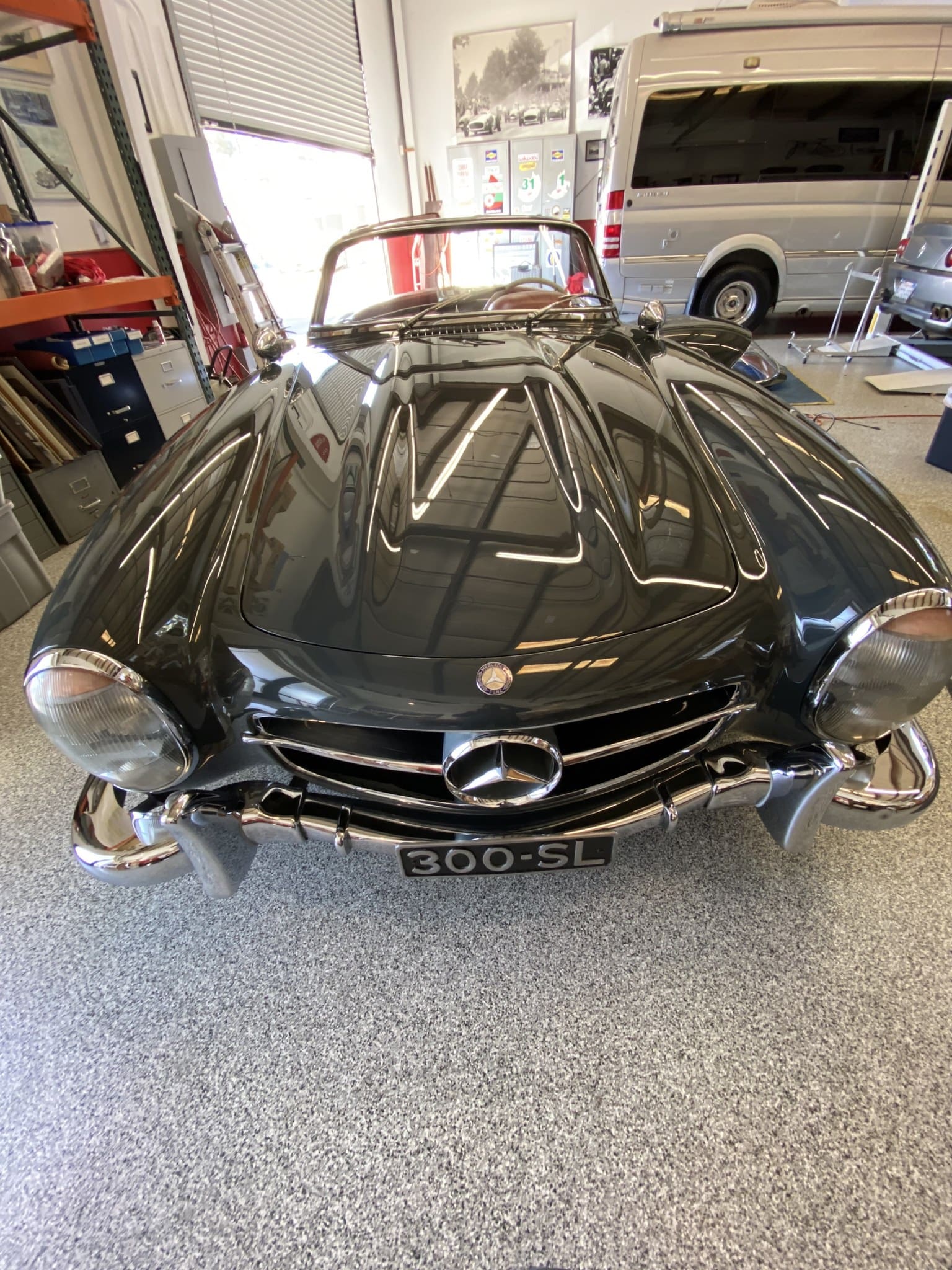
The best compliment a detailer gets in Montecito is not a day-of photo or a quick text with heart eyes. It is the message three months later, after a family trip and a few foggy mornings, that the car still looks sharp and cleans easily. Durable results owe more to process, patience, and the right sequence than to any single product. They also come from honesty about trade-offs, especially with paint correction and ceramic protection. Fix what matters, protect what remains, and keep the maintenance simple enough that it actually happens.
Those are the habits that keep vehicles and boats looking composed in a place that seems gentle until you measure what salt and sun do over time. And that is what white-glove really means here: the right touch, at the right time, in the right order, sustained quietly month after month.